
An Eastern Phoebe Encounter
Rainy Day Thoughts

It has been raining for two days, something the garden desperately needed but this morning, as I look out the window at drooping trees and deep shadows, I am feeling a bit of melancholy pouring down. Bonnie is snoring softly behind me as I write, and the soft patter of rain seems to be the music for her song. It’s a good day for ducks, as they say.
This evening I’m helping lead a birding walk with 30 or so beginner birders, and though the rain is supposed to clear, it will be very muddy. This doesn’t bother me, but I worry it will discourage any newcomers. I tried to caution them on FB to wear their muck boots. But, never mind. Whoever comes, whatever happens, it will be an adventure.
To listen to this post:
On Sunday, after church, I headed over to the trails where we will walk together tonight, just to see what I could see and maybe map out a short course. It was one o’clock in the afternoon—dead time for birds—and hot, so I didn’t expect much by way of feathered companionship. But it was enough to walk under the trees, to watch the breeze stir the grasses in the small clearing. The wild things always do good work inside of me, and for some reason, even more so when I am alone. What is that Mary Oliver prose poem? How I Go To The Woods. The opening line is: “Ordinarily I go to the woods alone, with not a single friend, for they are all smilers and talkers and therefore unsuitable.” Yes. I get this. Sometimes I want company, but Sunday I was content to listen to the forest sounds and walk alone as the red-tailed hawk soared on the wind current above me.

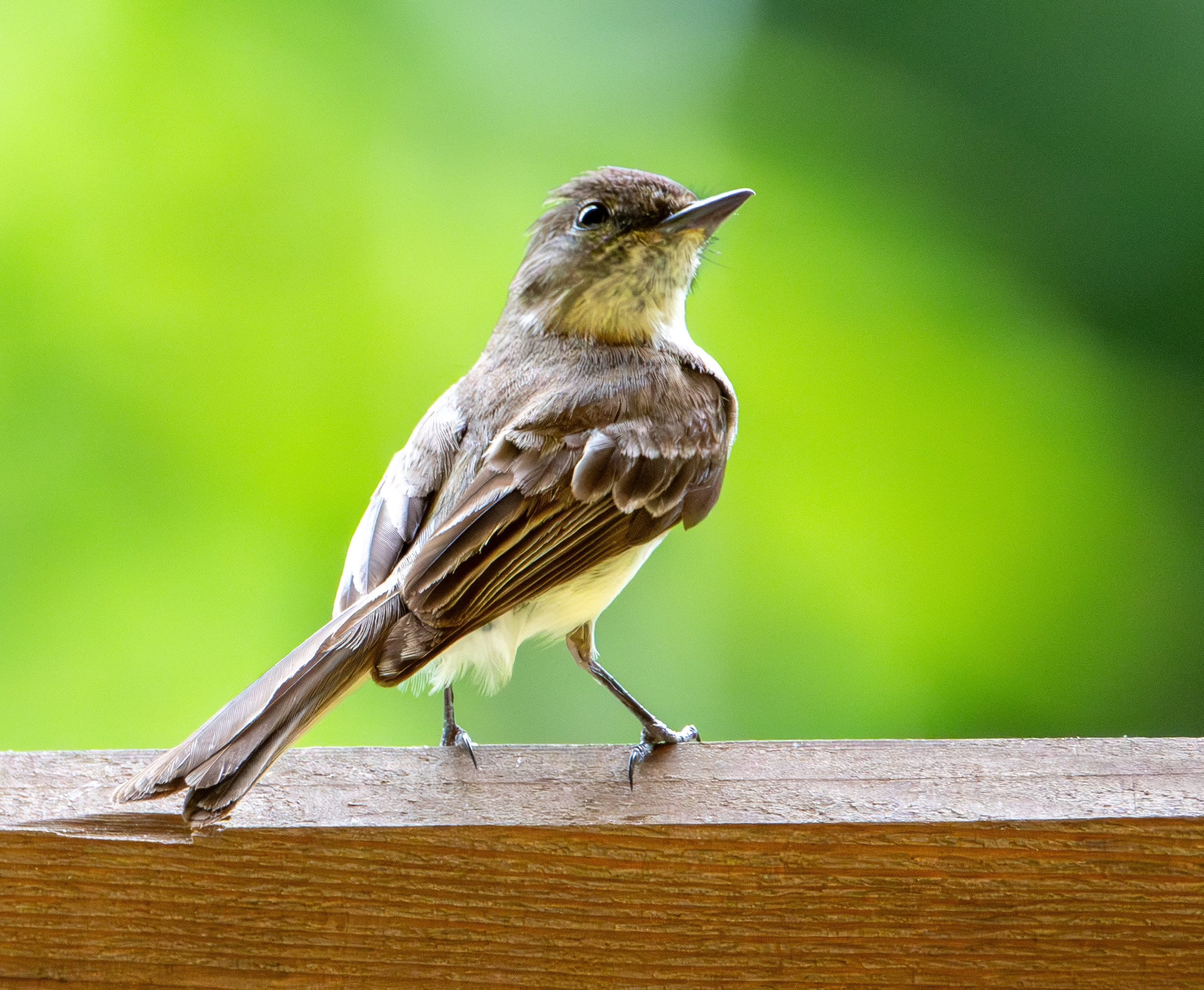
As soon as I entered the trail, I heard a lonely wood thrush offer me welcome with his flutelike eeh-oh-lay song. There were plenty of American robins and cowbirds and I heard a tufted titmouse scold me from somewhere unseen. I walked about half a mile, around the grassy bowl, deciduous forest cupping me on all sides. The birds were quiet, for the most part, so when I came to a small picnic shelter, I sat down and tried to become part of the scenery. A robin family was alarmed at my presence at first—their babies with spotted chests hopping around close by. Soon, they grew accustomed to me and went about their business of trying out new legs and new wings. It wasn’t long though, before I heard the distinctive raspy fee-bee song of an Eastern Phoebe nearby. It made me smile because one can hardly go out into the quiet places this time of year without seeing (or hearing) one of these familiar flycatchers. They are famous for placing their mud and moss nests under protected rims of barns or picnic shelters, even houses. We are well-acquainted.
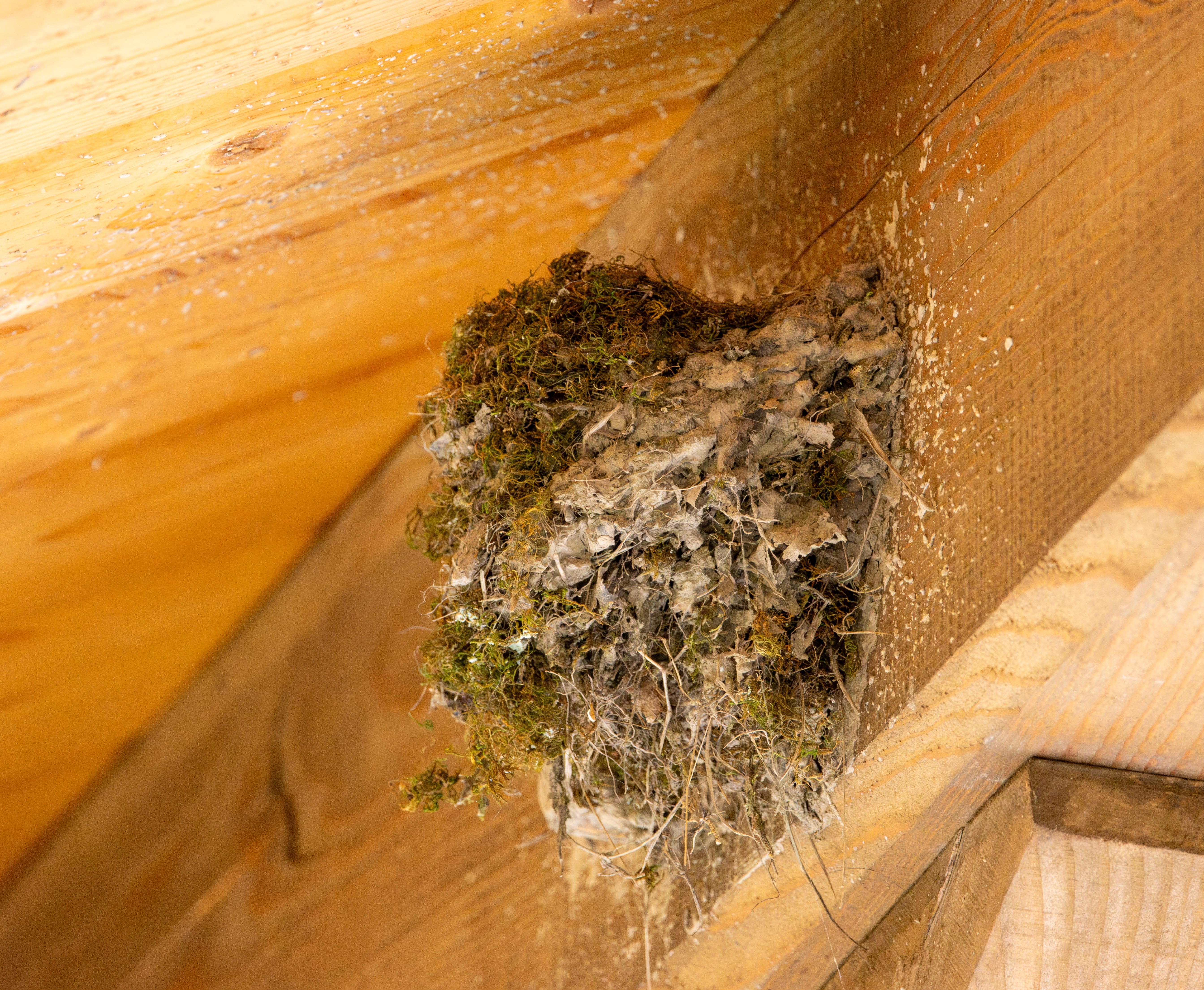
When I looked around, I saw two phoebes swooping around the shelter. A careful inspection of the A-framed structure revealed their conspicuous nest. They were on to me from the beginning, though, and were careful not to giveaway what they thought was their secret. I couldn’t see any movement, but the nest seemed deep and was high up, so it’s hard to say if anyone was home inside.
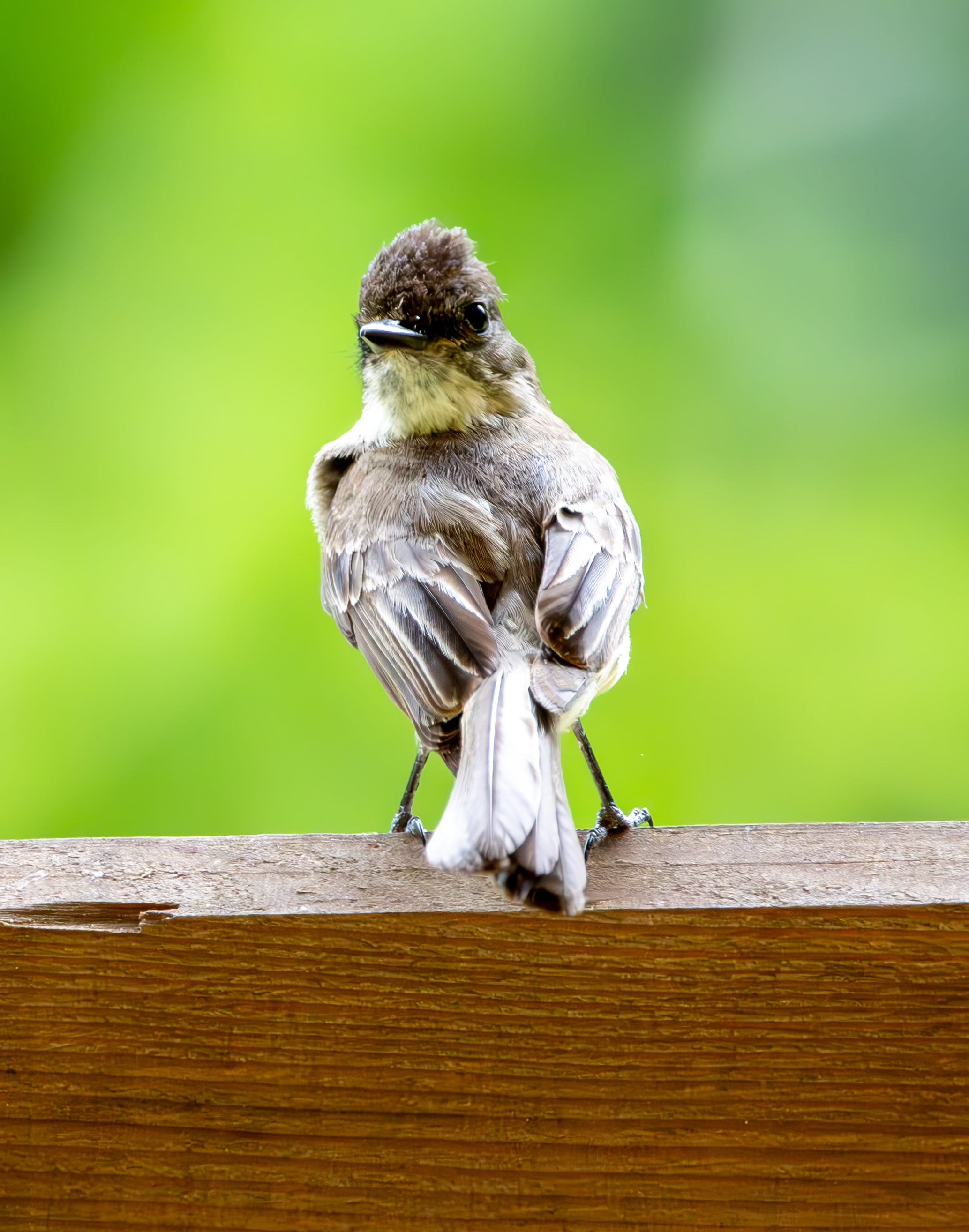
My reading tells me that Eastern Phoebes are “loners,” and even mated pairs rarely spend time together. This tracks, as I rarely see more than one at a time. It was a treat to see two together and I wondered if they were newly mated, or perhaps getting ready to start their second brood of the season.
I watched their tail-wagging antics for a time before deciding I needed to get back home. On my way out of the trail, I heard a scarlet tanager and stood for long moments with my eyes trained in his direction, hoping for a small glimpse of his brilliance. No go. Maybe our little group will have more luck tonight.
Recently I read that on the average a U.S. adult spends about five hours a day on their phone. According to a Pew Research poll, four in ten adults say they are online “almost constantly.” There are many studies emerging about the harmful effects of such time investment on our physical and emotional health. The flipside of this are the studies emerging about the benefits of being out in nature. From improved cognitive functioning to immune system boosts and stress reduction, they are increasingly well-documented. Enough said.
Outside the rain has slowed. The bluejay nest in the maple out back still has at least one large chick in it. When I spied on him this morning, he seemed annoyed at all the rain. We haven’t seen the little fawn since last week, but I am still hoping. The wild raspberries that volunteered themselves in-between my backyard flowers grow a little riper each day. I have watched the American robins and the gray catbirds and the Northern cardinals enjoying them. Last week I found a little box turtle in the front yard and one morning when I took Bonnie out a five-lined skink scampered quickly through the grass. The other night we saw the first fireflies.
Summer is announcing her arrival in feather, scale, and song. I’m gratefully here for it all.
Loved your thought about the phoebes. I've had phoebes nesting here, there, and everywhere under my eaves, under my porch, for six years. The latest brood just hatched. I'm wishing they'd move their nest for the second brood, since it's right over the garage door, and I'm in and out all the time. But the books say they aren't spooked by human activity, per se, although they fly away when one of us approaches. Thanks for watching out for yours.
You are becoming a bird expert, Laura. It's wonderful to read the excitement in your words.